

The Problem
The client ran an international event ticketing platform. The website existed, but it wasn’t doing its job. Visitors were landing and leaving. No clear conversion paths. No tracking in place to measure what was working and what wasn’t. The site architecture was disorganized, forms were disconnected from any CRM, and there was no strategy connecting content to conversions.
They needed a website that didn’t just look right but actually moved visitors toward ticket inquiries and signups.
What i Did
I rebuilt the site from the ground up with conversion as the primary objective, not just traffic.
Site architecture and page structure were redesigned to create logical user journeys from landing to inquiry. Every page was built with a purpose tied to a specific stage of the buyer's path.
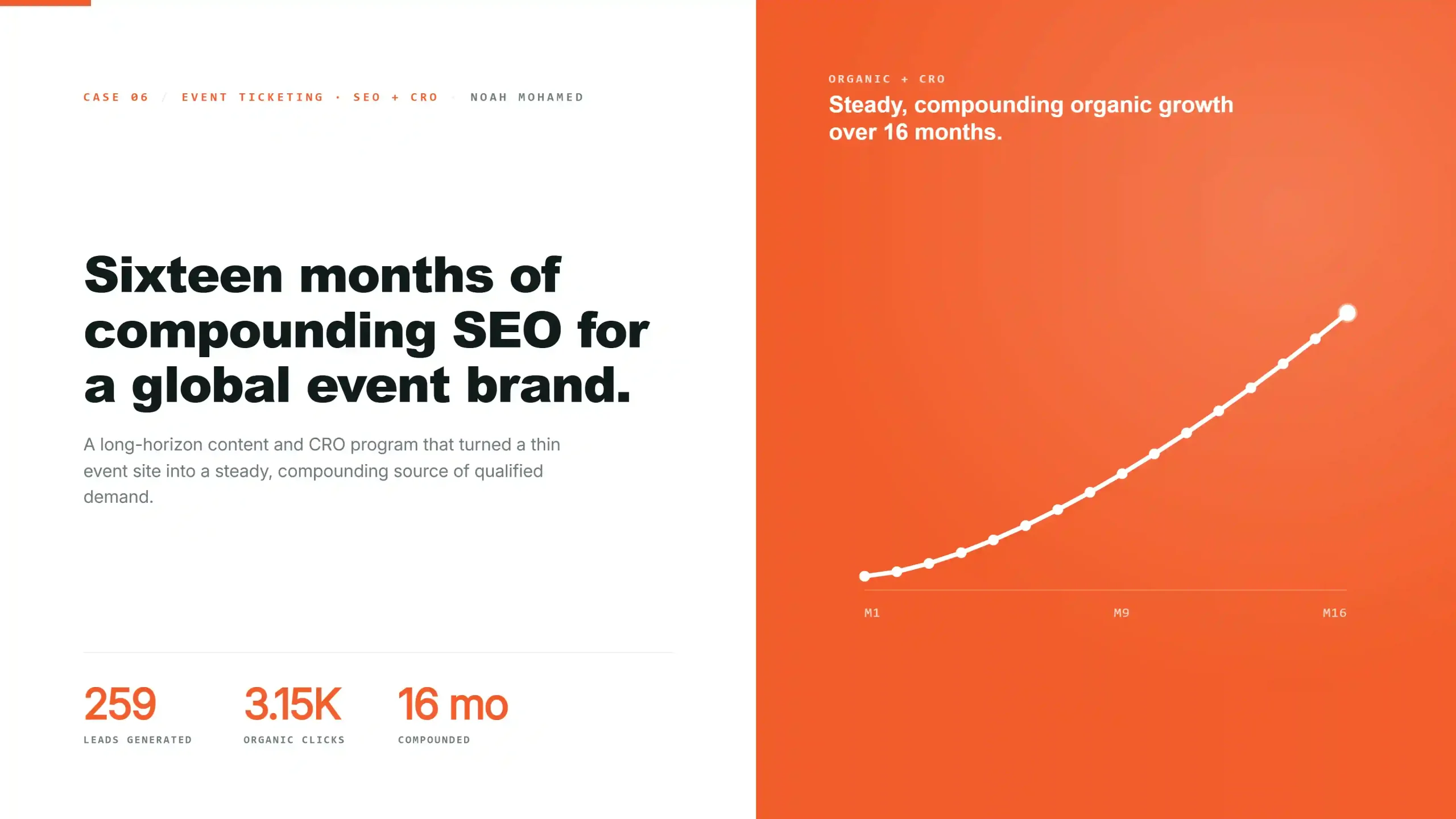
SEO strategy was layered in from the start. Keyword research informed the content structure, and on-page optimization ensured the site was visible for the searches that actually mattered to the business.
Conversion rate optimization shaped every layout decision. Forms were placed intentionally, page flow was tested, and friction points were removed so visitors could take action without hunting for the next step.
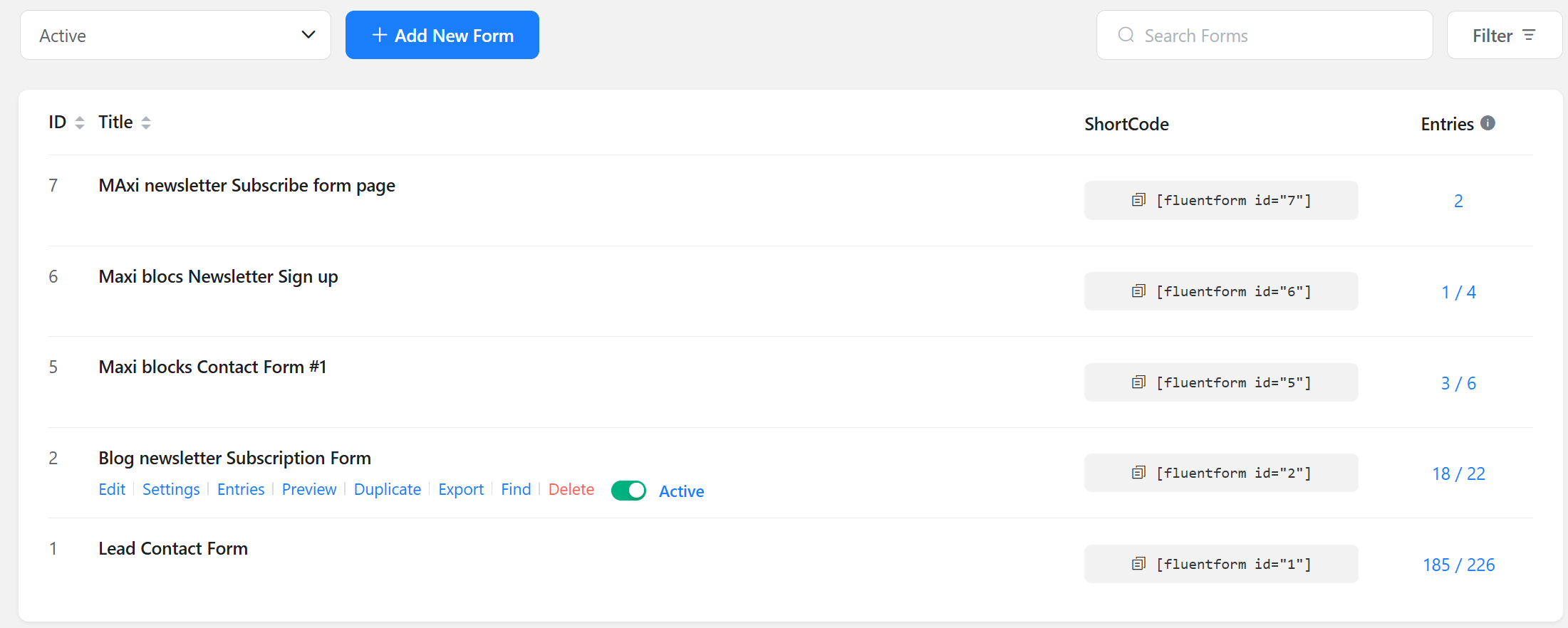
HubSpot CRM was integrated directly with the site forms so every lead was captured, tracked, and routed properly. No more form submissions disappearing into an inbox.
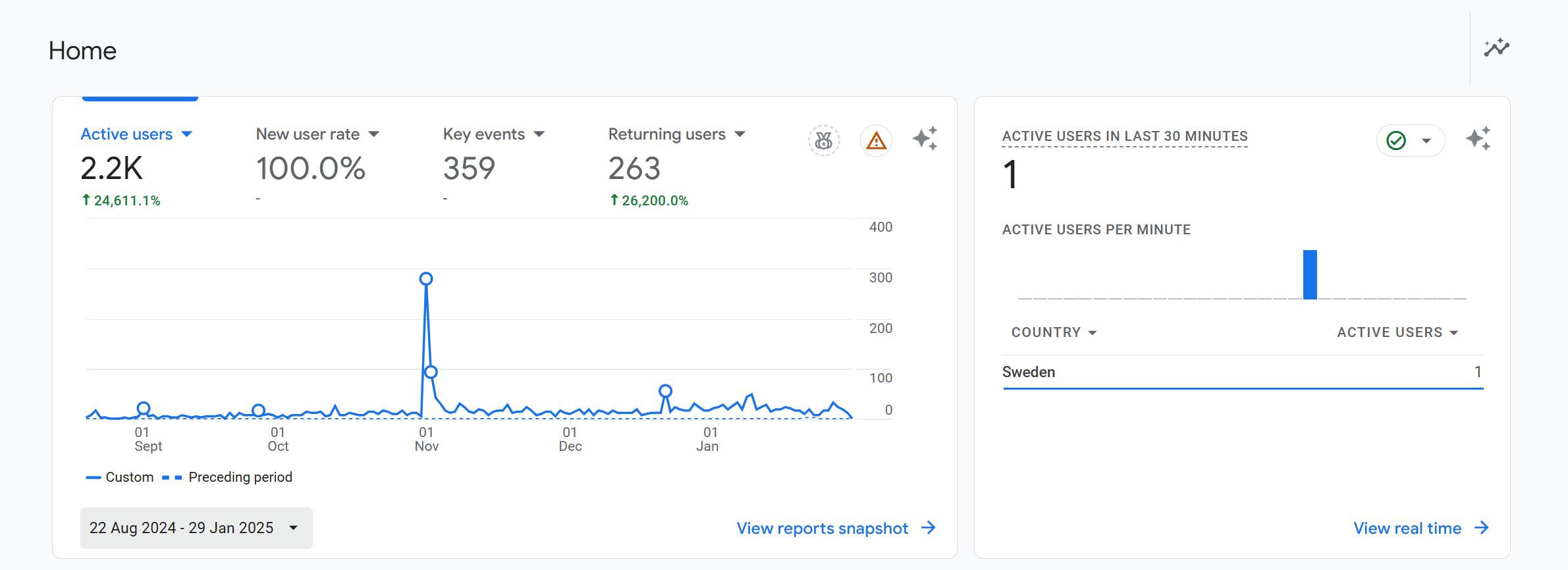
Google Tag Manager was configured for precise conversion tracking across the entire site. Every form fill, every click, every key interaction was measured and attributed.
Content was created to attract and engage the right audience, not just fill pages. Each piece was tied back to keywords with actual search intent behind them.
The Approach In Short
The site went from a digital brochure to a conversion system. Architecture gave visitors a clear path. SEO brought the right traffic. CRO made sure that traffic converted. And tracking proved it all worked.