


THE PROBLEM
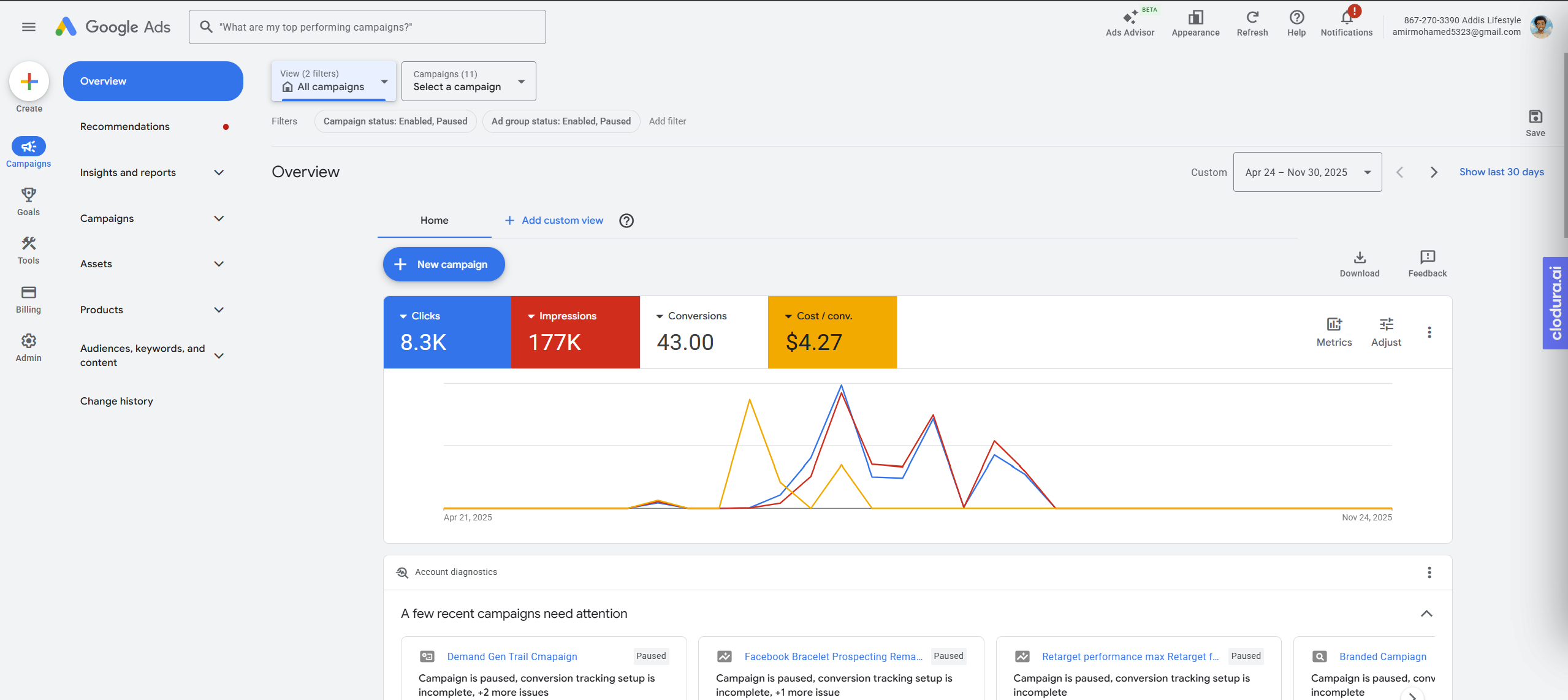
The client was an ecommerce brand selling men’s fashion accessories and lifestyle products. The store existed but it wasn’t profitable. There wasn’t enough qualified traffic reaching the site, and the traffic that did arrive wasn’t converting at a rate that justified the ad spend.
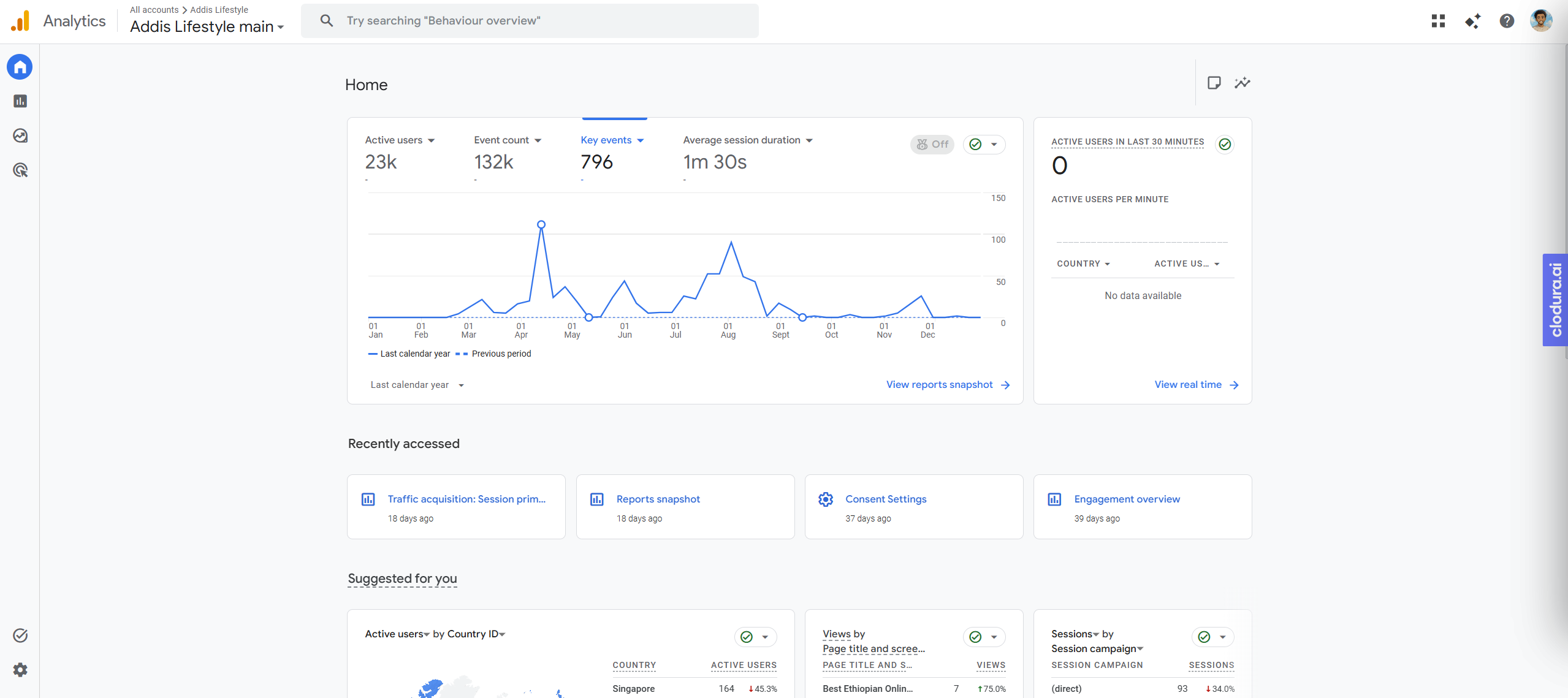
Product positioning was weak. Pages weren’t optimized for search or for conversions. The catalog had products listed without a clear strategy behind which items to push in ads and which to let organic handle. There was no tracking infrastructure in place to tell what was actually driving sales versus what was burning budget.
The brand had potential, but the digital foundation wasn’t built to support growth. They were spending money without a feedback loop to measure the return.
WHAT I DID
The ecommerce website was rebuilt on woocommerce with speed and mobile optimization as priorities. Product pages were restructured to reduce friction between landing and purchase. Page load times were improved and the checkout flow was simplified.
SEO was layered into every product and category page. Titles, meta descriptions, and schema markup were written to match the search terms buyers were actually using. The focus was local keyword visibility for terms with real purchase intent, not generic high-volume phrases that attract browsers instead of buyers.
Meta Ads campaigns were launched with structured audience architecture. Instead of broad targeting and hoping for results, audiences were segmented by interest, behavior, and engagement level. Each audience segment received creative tailored to their awareness stage.
The product catalog was cleaned up so every item featured in ads had a strategic reason to be there. Low-margin or low-demand products were deprioritized. The ad budget was concentrated on products with the highest conversion potential and the best margins.
Product photography direction and editing workflows were managed to create visual consistency across the entire catalog. This made the brand look cohesive across ads, social, and the storefront itself.
A content plan was built around lifestyle storytelling rather than pure product promotion. This gave the brand a voice that resonated with the target audience and created engagement beyond just transactional posts.
The Approch in Short
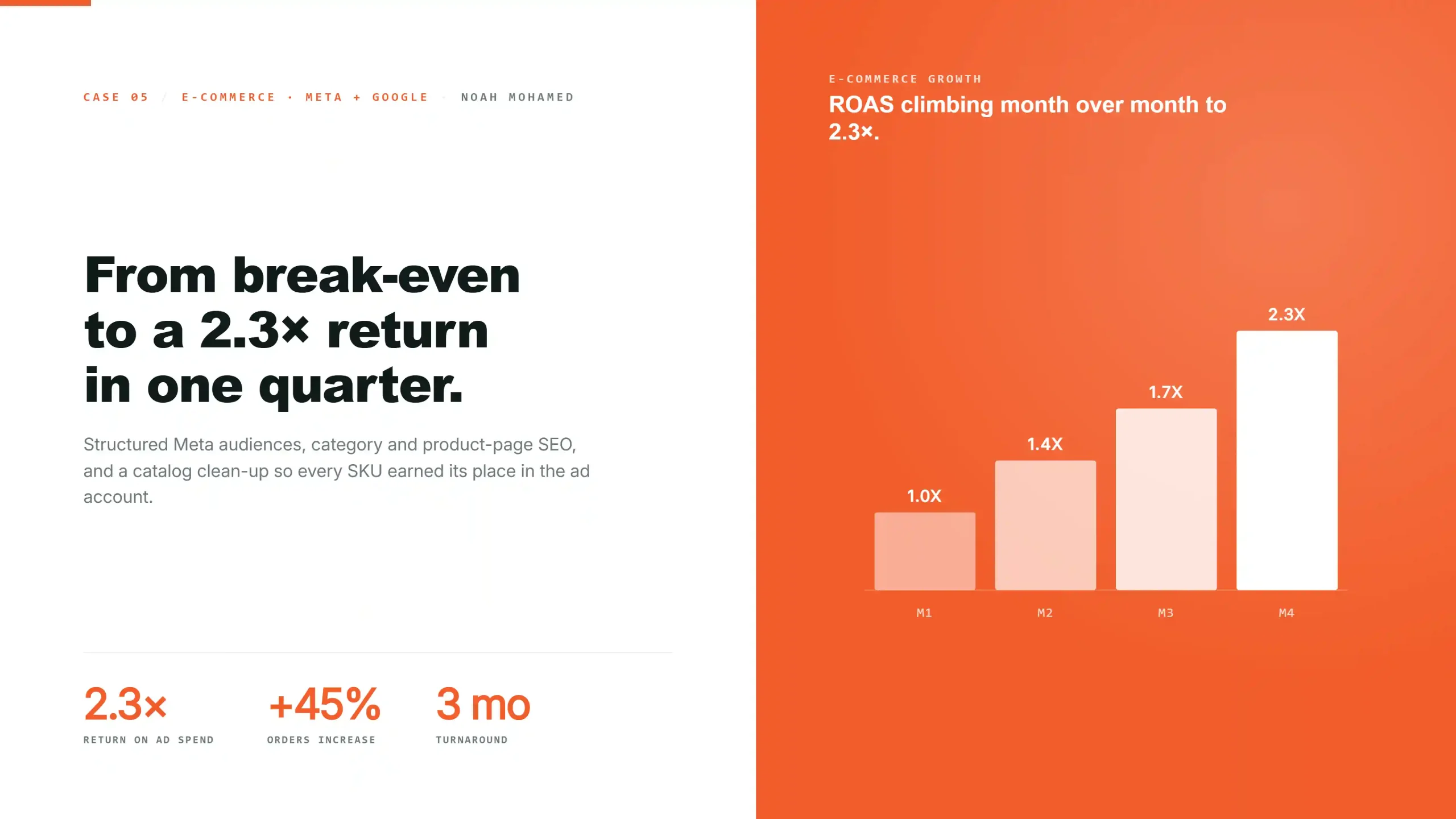
Profitability wasn't about spending more. It was about fixing the store, targeting the right buyers, and only promoting products that could actually deliver a return. The ads worked because everything behind them was optimized first.