
The Problem
The client was a transportation and warehousing company specializing in food and beverage logistics. They needed to reach decision-makers at specific target accounts, not generate top-of-funnel noise that the sales team couldn’t use.
The previous approach was producing clicks and impressions but not real buyers. The targeting was too broad. There was no system to separate high-value accounts from everyone else. And the campaigns across LinkedIn and Google were running independently with no coordination between them.
The result was ad spend spread thin across audiences that would never convert, and a sales team frustrated with leads that didn’t match their ideal customer profile.
What i Did
This was a white-label engagement delivered through a marketing agency partner. I operated as the execution layer while the agency maintained the client relationship.
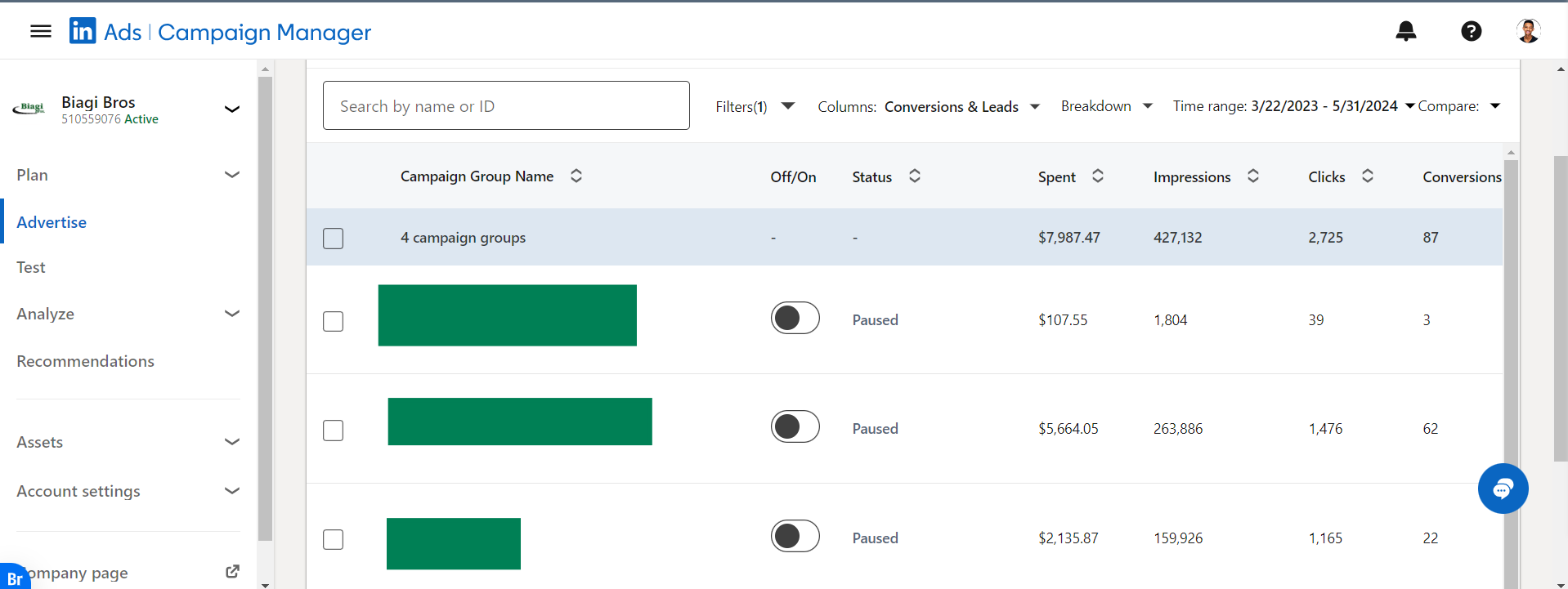
An account-based strategy was built on LinkedIn from the ground up. Target companies were identified based on industry, size, and geography. Company lists were scraped and segmented for precision targeting. Instead of running broad awareness campaigns, the ads were shown only to employees at priority accounts in decision-making roles.
Sales Navigator was layered into the targeting strategy to refine audience segments further. Matched-audience campaigns were built using the curated company lists so every impression was reaching someone who actually fit the buyer profile.
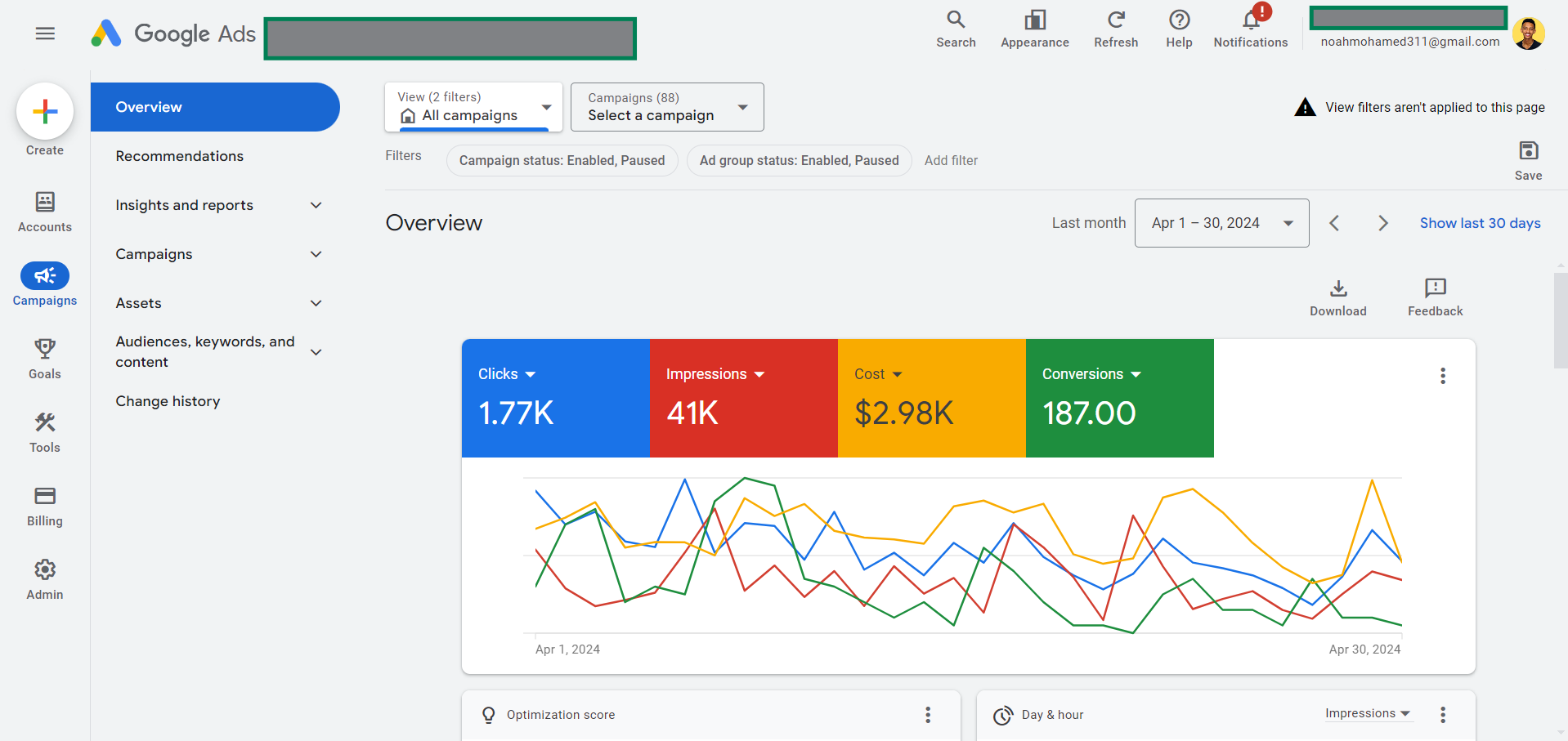
Google Ads retargeting was set up to run alongside the LinkedIn campaigns. Visitors who engaged with LinkedIn ads and visited the landing pages were retargeted through Google Display and Search. This created a multi-touch experience where prospects saw the brand across two platforms, reinforcing credibility and staying top of mind.
Google Tag Manager was configured on the targeted landing pages for accurate conversion tracking across both channels. LinkedIn Insight Tags were implemented for better audience segmentation and campaign attribution on the LinkedIn side.
Ad extensions including sitelinks and callouts were developed to enhance ad performance on Google. Creative was developed with engaging headlines and descriptions tailored to the logistics industry's specific pain points and buying triggers.
Landing page conversion rates were optimized to make sure the traffic being driven from both channels actually completed a form fill rather than bouncing.
The Approach in Short
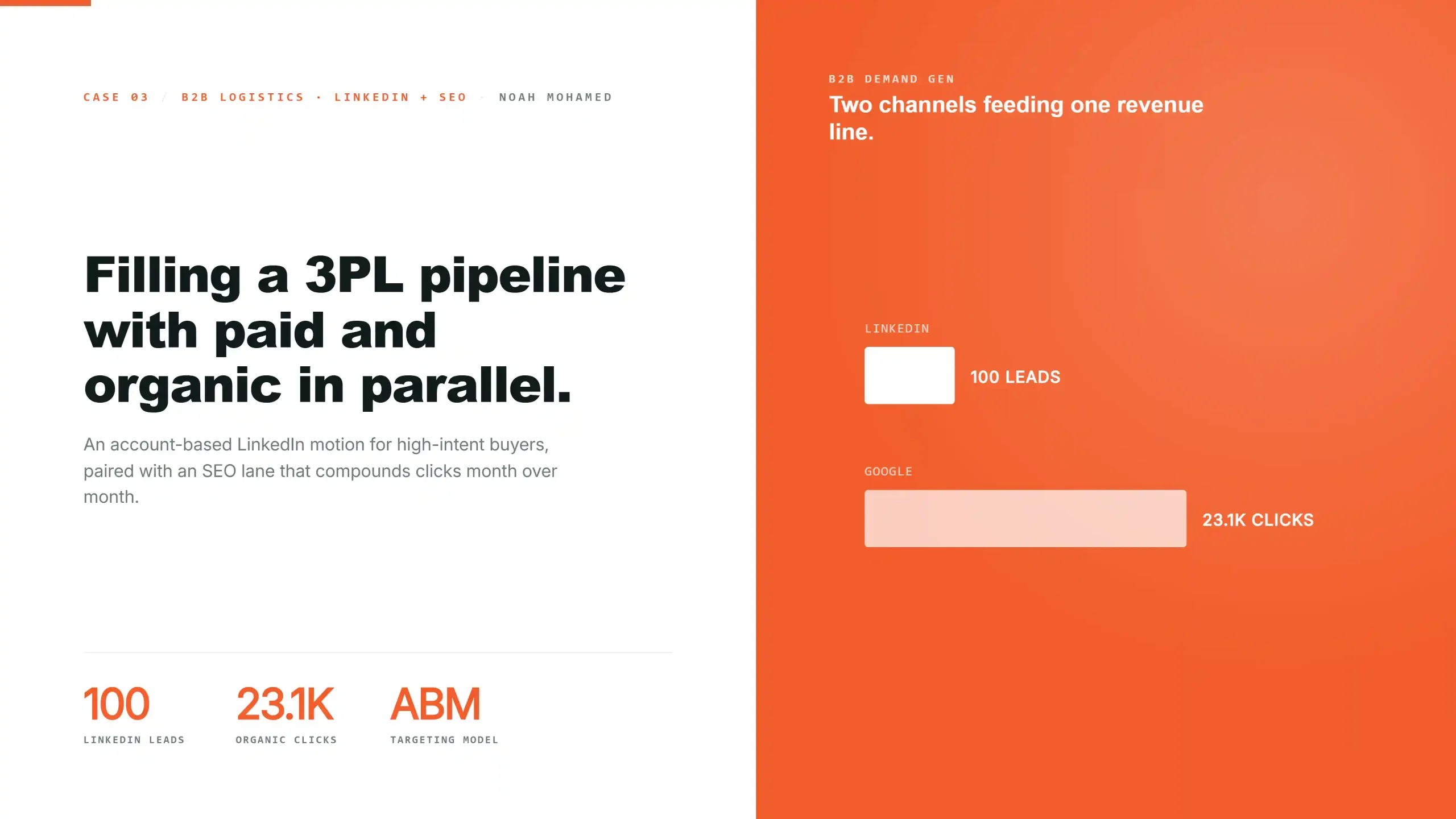
This wasn't a lead volume play. It was a lead quality play. Every targeting decision was built around reaching the right accounts with the right message through coordinated channels. Volume was deliberately limited to the prospects that mattered.